Africa’s MICE Landscape: Infrastructure Growth
In the heart of a continent brimming with untapped potential, Africa’s Meetings, Incentives, Conferences, and Exhibitions (MICE) sector is emerging as a potential powerhouse of economic transformation. As global business events rebound post-covid, Africa is not just participating – it’s leading with bold investments and innovative strategies. Africa is seeing the continent’s MICE industry witness soaring activity levels, driven by a surge in demand for world-class infrastructure and services. With the global MICE market projected to reach $1,466.94 billion by 2030 at a compound annual growth rate (CAGR) of 9.2%, Africa’s slice, and demand for a share of this pie is expanding rapidly. This is fuelled by our continents unique blend of natural beauty, cultural depth, and of course strategic positioning.
The Vibrant Tapestry of Africa’s MICE Destinations
Africa’s MICE landscape is as diverse as its geography, offering delegates experiences that transcend traditional boardrooms. From the bustling urban hubs of South Africa to the serene savannas of East Africa, our continent captivates with settings that inspire innovation and connection. The Mother City, Cape Town, has consistently been voted Africa’s Best MICE Destination in recent years, stands out with its iconic Table Mountain backdrop and state-of-the-art facilities like the Cape Town International Convention Centre (CTICC). This city hosted the SA Tourism Investment Summit last month (September 2025), underscoring its role in global events ahead of South Africa’s G20 presidency.
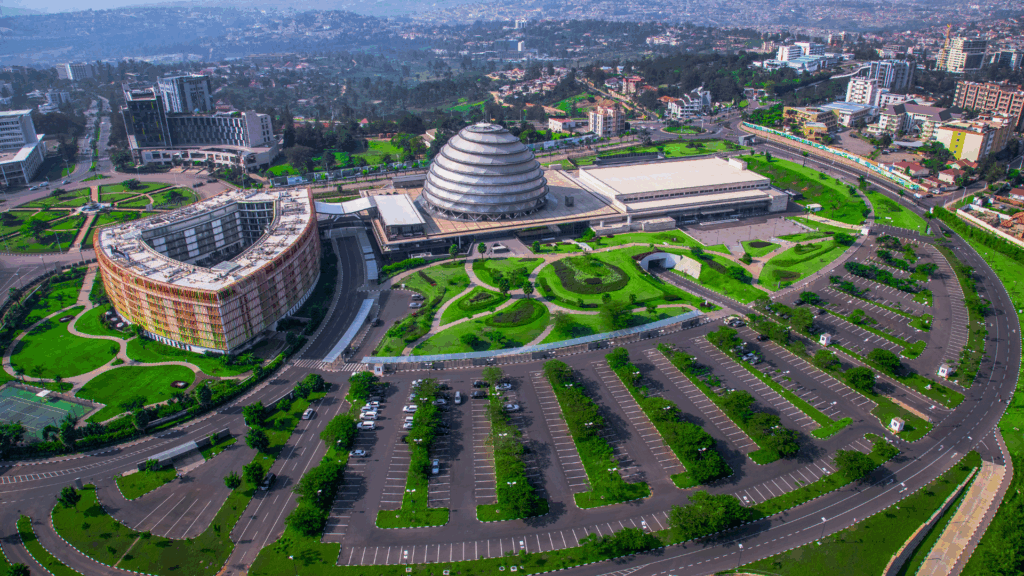
Further north, Rwanda’s Kigali has solidified its status as a MICE frontrunner with the Kigali Convention Centre, a modern marvel that combines cutting-edge technology with sustainable design. Kigali’s seamless event planning ecosystem, supported by efficient logistics and eco-friendly practices, makes it ideal for conferences focused on Africa’s development agendas. Kenya, through initiatives like “Meet in Kenya,” leverages Nairobi’s vibrant scene and natural attractions such as the Maasai Mara for incentive trips that blend business with adventure. Morocco’s Marrakech and Casablanca offer a fusion of historic charm and contemporary venues, while Zimbabwe’s Victoria Falls provides breathtaking backdrops for exhibitions and team-building retreats.
Emerging destinations are also making waves. Botswana’s Okavango Delta entices with luxury safari incentives, and West African nations like Ghana and Senegal are seeing increased activity thanks to economic booms. Hidden gems such as Namibia, Mozambique, Zambia, and Tanzania are also poised for breakthroughs, offering pristine landscapes for immersive events. These spots highlight Africa’s shift toward decentralizing MICE from major cities to regional hubs, fostering inclusive growth.
What sets Africa apart is its ability to infuse events with cultural authenticity. Delegates might engage in West African drumming workshops, explore ancient Egyptian sites during breaks in Cairo, or participate in community volunteering in South Africa’s townships. This cultural immersion not only enriches experiences but also promotes cross-border understanding, turning MICE into a catalyst for social impact.
Infrastructure: The Backbone of Expansion
The meteoric rise of Africa’s MICE sector is underpinned by aggressive infrastructure developments, transforming the continent into a competitive global player. Governments and private investors are pouring resources into upgrading facilities to meet international standards. In South Africa, expansions at the Sandton Convention Centre in Johannesburg and the CTICC have enhanced capacity for large-scale events, supporting the country’s bid to capture a larger share of the global market.
Across the continent, key projects include Zimbabwe’s expansion of Victoria Falls International Airport, which improves accessibility for international delegates. Rwanda’s Kigali Convention Centre exemplifies sustainable infrastructure, featuring solar power and rainwater harvesting. Digital upgrades are equally crucial: rapid expansion of data centres and mobile networks is enabling hybrid events and real-time data analytics. Initiatives like South Africa’s “Meet IQ” portal provide live data on event impacts, aiding strategic planning.
West Africa is catching up with improved transport networks in Ghana and Senegal, while North Africa’s Morocco invests in high-speed rail links to connect MICE venues. These developments address historical gaps, such as limited airport capacity and road infrastructure, making Africa more accessible. For instance, new conference venues in smaller cities are emerging, driven by better travel links and investor confidence. Overall, these efforts are not just about building structures – they’re about creating ecosystems that support end-to-end event management, from visas to virtual integrations.
Driving Forces and Emerging Trends
Several factors propel this growth. Government support is pivotal: policies like tax incentives, visa facilitations, and marketing campaigns. Economic multipliers are evident; South Africa’s MICE industry alone generates jobs in hospitality, transport, and supply chains, with events like the Mining Indaba boosting local economies.
Sustainability is now a standard, with events incorporating legacy projects that benefit host communities long-term. Technology integration, including AR/VR for hybrid formats, addresses Africa’s unique needs like remote accessibility. Collaboration is key, as seen in regional forums like the Africa CEO Forum and Africa Travel Indaba, which foster partnerships. Data-driven approaches, professional accreditation, and sector cross-pollination (e.g., with mining or tech) are also trending.
Navigating Challenges Amid Opportunities
Despite the momentum, challenges persist. Uneven growth means some regions lag in infrastructure, requiring strategic reforms and investments. The fast pace strains professionals, highlighting needs for work-life balance and standardised training. Global competition demands Africa enhance convention centres and transport to rival Europe or Asia. Yet, these hurdles present opportunities: embracing hybrid models can bridge gaps, and focusing on intra-African events can build resilience.
Looking Ahead: A Bright Horizon
As 2025 unfolds, Africa’s MICE sector is at a tipping point. South Africa’s G20 hosting is a game-changer, spotlighting the continent and creating supplier opportunities. Events like the Africa MICE Summit 2025 will unite leaders to shape policies. With continued infrastructure pushes and tech adoption, Africa could capture a trillion-dollar market share. The future? A connected, inclusive industry driving prosperity across borders.
For more industry related news, click here.