Africa on the Move: The Rise of Rail, Road and Cruise Travel
Across Africa, travel is entering a defining era of transformation. The continent’s vast landscapes, expanding urban centres and increasing regional connectivity are reshaping how people move for business, leisure and trade. Rail, road and cruise travel are no longer simply modes of transport. They are becoming strategic enablers of tourism growth, economic integration and hospitality development.
The evolution of transport across Africa has followed different trajectories over the decades. Rail networks were among the continent’s earliest large-scale transport systems, developed primarily during the colonial era to connect ports with mining and agricultural regions. As road infrastructure expanded and vehicle ownership increased throughout the later half of the twentieth century, road transport became the dominant mode of travel in many countries. More recently, growing urbanisation, infrastructure investment and regional integration initiatives have renewed interest in rail travel, while cruise tourism has emerged as a niche but rapidly growing segment of the travel market.For the hospitality sector, this shift is significant. As mobility improves, destinations become more accessible, travel patterns diversify and demand for integrated guest experiences increases. Organisations such as Tourism News Africa closely follow these developments, highlighting industry trends, sharing market insights and supporting hospitality stakeholders as they adapt to evolving traveller expectations and identify new opportunities for growth across the tourism value chain.
Rail: The Revival of a Classic Connector
Rail’s renewed popularity reflects a broader shift in how travellers view transportation. Once regarded primarily as a functional means of moving goods and people, rail is increasingly valued for its comfort, reliability and lower environmental impact. In many parts of the world, including Africa, investment in modern rail systems has been driven by the need to reduce congestion, improve connectivity and support sustainable economic growth.Rail travel in Africa is experiencing renewed attention, driven by infrastructure investment, urban expansion and a growing interest in sustainable transport. While historically underutilised in some regions, rail is increasingly being repositioned as a reliable, efficient and experience-driven mode of travel.
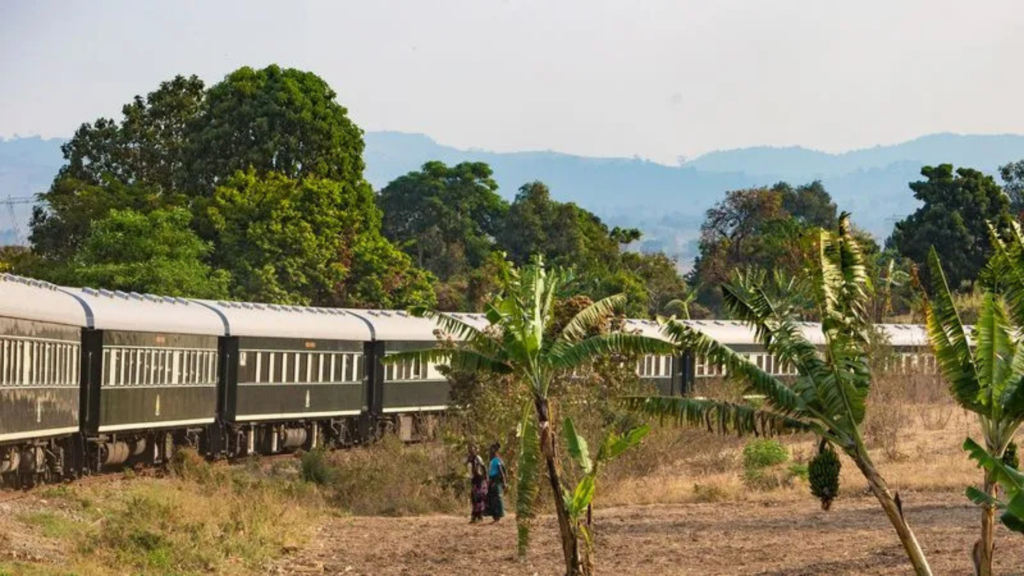
Countries such as Morocco, Kenya, Egypt and South Africa are investing in rail infrastructure to improve connectivity and support economic growth. Morocco’s Al Boraq high-speed rail service has demonstrated how modern rail networks can reduce travel times while enhancing regional mobility. Kenya’s Standard Gauge Railway has strengthened links between key economic centres, while South Africa continues to attract international visitors through iconic rail tourism experiences such as Rovos Rail and the Blue Train.
The resurgence of rail travel also mirrors global tourism trends. Travellers are increasingly seeking slower, more immersive journeys that allow them to engage with landscapes, cultures and communities along the route. Luxury rail experiences, in particular, have become sought-after tourism products, combining transportation, accommodation and destination experiences into a single offering.
From a hospitality perspective, rail offers a unique advantage. It encourages slower, more immersive travel, where guests engage more deeply with destinations along the way. Boutique hotels, lodges and urban stays located near rail hubs are well positioned to benefit from this trend, particularly as travellers seek convenience without compromising experience.
Rail tourism also aligns with sustainability goals. Compared to air and road transport, rail can offer lower emissions per passenger, making it increasingly attractive to environmentally conscious travellers.
Road Travel: The Backbone of African Mobility
Road transport’s dominance across much of Africa can largely be traced to the expansion of national highway networks during the latter half of the twentieth century. As governments prioritised road development to connect growing populations and support trade, road travel became the most flexible and accessible transport option for both residents and visitors. Today, continued investment in road infrastructure remains critical to tourism development, particularly in rural and remote destinations.
Despite advancements in other transport modes, road travel remains the backbone of mobility across Africa. It continues to play a critical role in connecting communities, supporting logistics networks and enabling tourism experiences that extend beyond major cities and transport hubs.
The rise of self-drive tourism, cross-border road trips and private shuttle services reflects a broader shift towards personalised travel experiences. Travellers increasingly seek flexibility and the freedom to explore destinations at their own pace. This trend is particularly evident in countries such as South Africa, Namibia and Botswana, where scenic driving routes and wildlife tourism attract both domestic and international visitors.
For the hospitality industry, this shift has direct implications. Properties located along major highways, tourism corridors and popular driving routes are experiencing increased demand from road travellers. Hotels, guesthouses and lodges that provide convenience, security and quality service are particularly well positioned to benefit.
Road infrastructure development is also improving travel experiences across many regions. Upgraded highways, improved signage, digital navigation tools and expanded roadside services are making long-distance travel more efficient and comfortable. At the same time, road travel remains essential because many of Africa’s most sought-after tourism attractions, including national parks, heritage sites and remote lodges, cannot be reached through rail or air transport alone.
Cruise Travel: Unlocking Africa’s Coastal Potential
Cruise tourism is emerging as one of the most exciting growth segments within Africa’s travel industry. With extensive coastlines along the Atlantic and Indian Oceans, as well as access to iconic waterways such as the Nile, the continent is well positioned to expand its cruise offering.
While cruise tourism has a long history globally, its growth in Africa has accelerated over the past two decades as international cruise operators seek new destinations and travellers increasingly look for unique cultural and nature-based experiences. Improvements in port infrastructure, destination marketing and regional tourism collaboration have contributed to the continent’s growing appeal within the global cruise industry.
Destinations including Cape Town, Durban, Mombasa, Zanzibar and Port Louis are increasingly being integrated into international cruise itineraries. These destinations offer a compelling combination of cultural heritage, natural beauty and authentic visitor experiences that appeal to global travellers.
Cruise travel introduces a different dynamic to hospitality demand. Unlike traditional overnight visitors, cruise passengers often engage in shorter but highly concentrated visits that rely on seamless logistics, efficient service delivery and curated local experiences. This creates opportunities for hotels, tour operators, transport providers and destination management companies to collaborate more closely.
There is also growing interest in expedition-style cruising, particularly in Southern Africa and the Indian Ocean islands. These smaller, experience-focused voyages attract travellers seeking authentic cultural encounters, nature-based exploration and less conventional destinations. As port infrastructure continues to improve and tourism authorities invest in cruise development strategies, this segment is expected to become an increasingly important contributor to tourism growth.
The Rise of Integrated Travel Experiences
Today’s travellers increasingly seek flexibility, authenticity and multi-destination experiences. Rather than visiting a single location, many are combining urban centres, cultural attractions, wildlife experiences and coastal destinations within one journey.
This trend is contributing to a more integrated mobility ecosystem across Africa. Travellers may fly into a major city, continue by rail to a secondary destination, explore surrounding regions by road and conclude their trip with a cruise experience. As a result, transport modes are becoming more interconnected, creating new opportunities for tourism businesses to develop seamless travel experiences.
For hospitality operators, accessibility is becoming just as important as accommodation quality. Hotels located near transport hubs, cruise terminals, railway stations and major tourism routes are increasingly benefiting from changing travel patterns. Improved connectivity can support higher occupancy levels, longer stays and stronger destination partnerships.
Overcoming Infrastructure Challenges
While Africa’s transport sector is evolving rapidly, several challenges continue to influence the pace of growth. Infrastructure funding remains a significant hurdle, particularly for large-scale rail projects, highway upgrades and port developments that require substantial long-term investment.
Cross-border travel can also be affected by differing regulations, visa requirements and operational standards between countries. In some regions, road maintenance and transport safety remain ongoing priorities, while certain cruise destinations require further investment in port facilities and passenger infrastructure to accommodate future growth.
Despite these challenges, governments, investors and private sector stakeholders continue to recognise the value of transport infrastructure as a catalyst for tourism development, trade and regional integration. Increased collaboration between public and private sectors is helping to unlock new opportunities and improve connectivity across the continent.
Driving Tourism and Economic Growth
The impact of improved mobility extends far beyond transportation itself. Better connectivity stimulates local economies, supports job creation and increases tourism spend across multiple sectors. It also enables secondary destinations to attract visitors who may previously have focused only on major tourism centres.
For hospitality businesses, this creates opportunities to reach new markets, develop innovative travel packages and build stronger partnerships throughout the tourism value chain. As transport networks continue to evolve, destinations that were once considered remote are becoming increasingly accessible and commercially viable.
Conclusion
Africa’s transport evolution is not just about infrastructure development. It is about redefining how people experience the continent. Rail is reviving scenic and sustainable connectivity.
Road travel continues to provide freedom, flexibility and access to diverse destinations. Cruise tourism is introducing new audiences to Africa’s coastal and cultural attractions.
Together, these modes of travel are reshaping tourism flows, creating economic opportunities and strengthening the hospitality industry. While challenges remain, the momentum is undeniable. As Africa becomes more connected through rail, road and cruise networks, businesses that understand and adapt to these changing travel patterns will be best positioned to thrive in an increasingly competitive and interconnected tourism landscape.
For more industry related news, click here.