EcoTraining’s Higher Certificate Puts Field Guiding On The Tertiary Education Map
South African school leavers can now earn the country’s highest Ecotourism Guiding qualification, at EcoTraining
EcoTraining has opened 2027 applications for South Africa’s only Higher Certificate in Ecotourism Guiding, offering matriculants, career changers and aspiring guides a direct pathway into the conservation industry.
Fully accredited by the Council on Higher Education, the NQF5 qualification is the highest achievable within the South African guiding sector. The year-long programme, running from 13 February 2027 to 6 February 2028, is designed to equip students with the practical skills and theoretical grounding required to lead the future of African ecotourism.
The accreditation is important and marks the end of a rigorous seven-year journey, during which the higher-education authorities examined the organisation’s governance, integrity and training quality in depth. The process was demanding, but it confirms EcoTraining’s position as the only provider of this qualification in South Africa, and gives students, partners and the wider public independent assurance that it meets the strict standards expected. EcoTraining is also CATHSSETA accredited and FGASA endorsed, offering further confidence in the standards and relevance of its training.
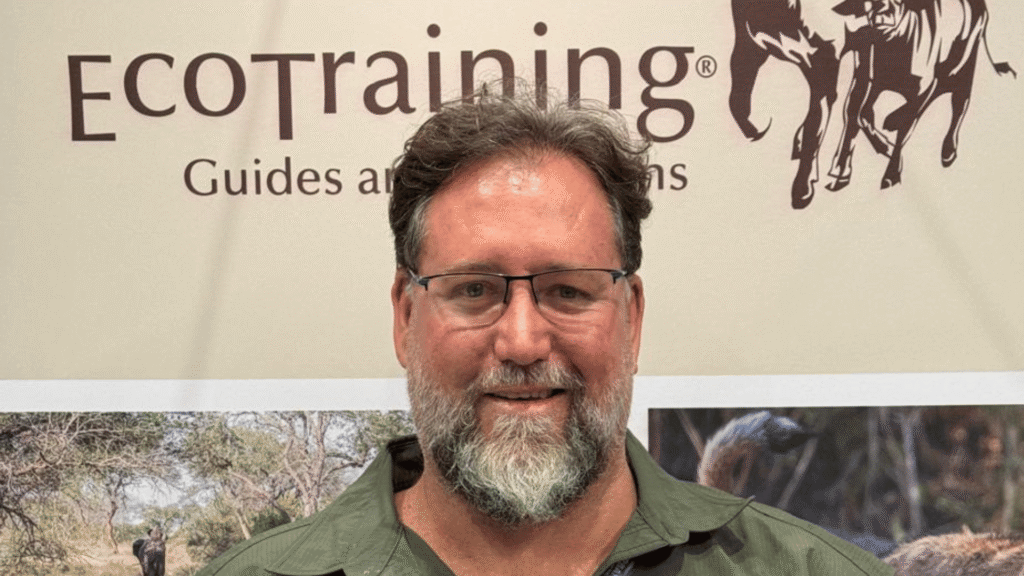
“As Grade 12 learners head into their final matric exams, they’ll be exploring study opportunities for next year,” says Anton Lategan, MD at EcoTraining. “We’re proud to be the only field guide training provider in South Africa currently offering the Higher Certificate in Ecotourism Guiding, an NQF Level 5, 120-credit tertiary education qualification.”
Students can expect:
- A year immersed in the principles, theory and practice of guiding
- A curriculum designed specifically for the ecotourism industry, and a rising demand for deeper, more conservation-focused safari experiences
- Nine core modules and a specialist elective, from ecology and tracking to guiding ethics and work-integrated learning
- The skills needed to kickstart a career in tourism and guiding
- Training to organise and facilitate guiding experiences within legal and regulatory frameworks
- Grounding in safe and responsible wildlife viewing
- Hands-on experience in small, closely mentored groups at some of the country’s top lodges
- Guidance from expert trainers
- 120 credits that support further study, including internationally, subject to the receiving institution’s requirements
- A Higher Certificate from an accredited, reputable provider that strengthens employment prospects
The qualification’s practical grounding is already paying off: of the first 15 students to complete the programme, 14 are now in permanent guiding jobs, a 93% employment success rate. A further 16 students are currently on the programme, completing their workplace integration at lodges around the country.
Most significant, for Lategan, is the opportunity for students to mature and gain real-world experience.
“You cannot fully understand this industry while training in isolation,” says Lategan. “Our camps sit in wilderness areas rich in biodiversity, but they’re also within reach of some of the country’s top lodges and active tourism destinations. So, our students don’t just learn about nature, guiding and conservation from the best in the business. They also see firsthand how international guests are hosted and guided, which is something no classroom can teach.”
The Ecotourism Guiding course is held at EcoTraining’s camps in southern Africa, including Greater Kruger Timbavati, Greater Kruger Balule Pridelands, Kruger National Park Makuleke, and Karongwe Game Reserve.
The compulsory modules (115 credits) cover End User Computing, English Communication, Introduction to Ecotourism and Nature Guiding in South Africa, Guiding Ethics and Safety, Planning and Conducting a Guided Experience, Basic Ecology, Animal Studies, Vegetation Studies and Animal Tracking. Students then choose one elective (for 5 credits) from either Viewing Dangerous Animals on Foot, Navigation or Birding.
“For anyone who loves wildlife and nature and can already see themselves living and working in the bush, this is where that journey starts,” says Lategan. “Ecotourism is one of the most important fields we have for protecting Africa’s wild places, and it depends on guides who are properly trained for it.”
For more information around EcoTraining’s courses, including the Higher Certificate in Ecotourism Guiding, visit: www.ecotraining.co.za
For more industry-related news, click here.