
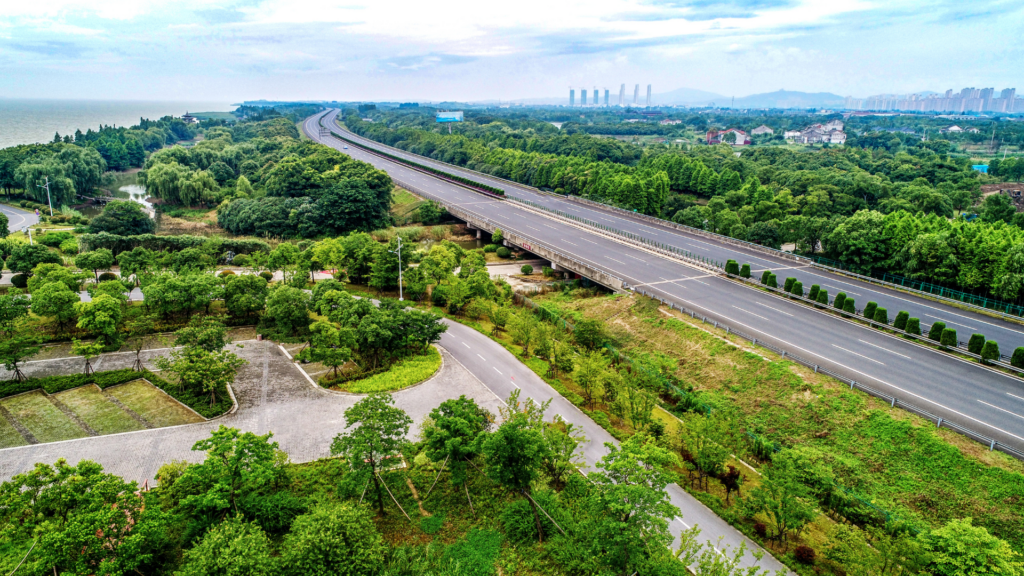
Sustainable Infrastructure: From Concept to Standard
Sustainability is no longer an ambition for the hospitality sector, but rather a business necessity. As travellers become more environmentally conscious and regulations, hospitality businesses are being forced to rethink how they design, build and operate their facilities. What was once considered a competitive advantage is now becoming an industry standard.
EXCEPTIONAL EXPERIENCES WITH GREATER EFFICIENCY AS AN EXPECTATION:
Hospitality businesses are among the world’s largest consumers of energy and water. From heating and cooling systems, to kitchens, laundry facilities and transportation networks, infrastructure has a direct impact on both operating costs and environmental impact.
Across Africa, the shift toward sustainable infrastructure is accelerating. Properties increasingly recognise that environmentally responsible projects are often more resilient, cost-effective and attractive in the long term. Green building certifications, renewable energy systems, smart water management and sustainable sourcing are becoming core elements of hospitality developments and assist in countries with unreliable water and energy supply. Major hotel groups such as Radisson, Marriott, Hilton and Accor have embedded sustainability into their operations, reflecting a wider industry move toward resource efficiency and responsible tourism.
BOOKING.COM’S SUSTAINABILITY REPORT:
A major driver of this change is evolving traveller behaviour. According to Booking.com’s Sustainable Travel Report, 84% of travellers consider sustainable travel important, while 93% want to make more sustainable travel choices. Guests are increasingly looking for properties that demonstrate genuine commitments to reducing waste, conserving water, lowering energy consumption and supporting local communities.
TECHNOLOGY AND ADOPTION
Technology is helping accelerate this transformation. Smart building systems allow operators to monitor and optimise resource consumption in real time. Automated lighting, climate controls and occupancy sensors reduce unnecessary energy use, while greywater recycling, rainwater harvesting and low-flow fixtures improve water efficiency.
Renewable energy adoption is also growing rapidly. Solar power and battery storage are becoming increasingly common. In South Africa, ongoing energy challenges have encouraged significant investment in solar and backup power solutions to improve energy security and business continuity. Water conservation has become equally important, particularly in destinations where resources are limited.
MORE THAN JUST SUSTAINABILITY:
Sustainable infrastructure extends beyond environmental concerns. Social and economic sustainability are equally important. Hospitality developments that prioritise local employment, skills development, community partnerships and locally sourced products often create stronger, more resilient business ecosystems. Across Africa, many properties are incorporating local materials, indigenous design influences and community-led tourism experiences that support economic growth while preserving cultural identity.
THESE CHANGES ARE NOT WITHOUT CHALLENGES:
Challenges remain. Sustainable infrastructure often requires significant upfront investment, and access to affordable financing can be limited. Additional training, operational changes and specialised skills can also slow adoption. While international travellers increasingly value sustainability, some local markets continue to prioritise affordability, creating uncertainty around returns on investment.
For Africa, the opportunity is significant. As tourism grows across the continent, developers have the chance to build modern, resilient and environmentally responsible infrastructure from the outset. Sustainable infrastructure is no longer simply about reducing environmental impact, it is about improving resilience, enhancing guest experiences, supporting communities and creating long-term commercial value. The transition is clear: sustainable infrastructure has moved from aspiration to expectation, and it is reshaping the future of hospitality and tourism across Africa.
For more industry related news, click here.