
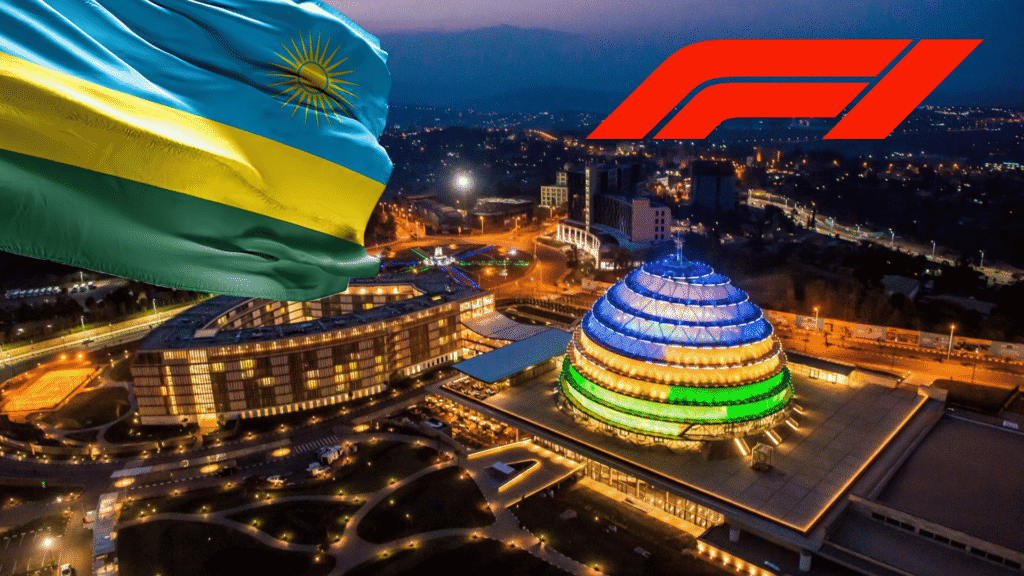
Formula 1 Returns to Africa: Rwanda Turns a 2024 Bid into a Continental Breakthrough
From ambition to agreement
What began as an ambitious announcement in Kigali in December 2024 has now become one of the biggest sporting tourism stories Africa has seen in decades.
During the FIA General Assembly and Awards in Rwanda in 2024, President Paul Kagame formally announced the country’s bid to bring Formula 1 back to Africa. At the time, the continent had been absent from the championship since the 1993 South African Grand Prix at Kyalami. Two years later, on 13 October 2026, Formula 1 confirmed a 10 year agreement for the African Grand Prix in Rwanda, with the first race expected in the early 2030s once a new circuit is completed.
That distinction matters. Rwanda has secured the deal, but we are not packing our race weekend bags just yet.
Why Rwanda?
The new purpose-built circuit will sit in Bugesera, around 40 kilometres south of Kigali, beside Rwanda’s new international airport. It is being developed to FIA Grade 1 standards and is planned as more than a once-a-year racetrack. The wider vision includes motorsport, entertainment, conferences and other major events throughout the year.
Rwanda’s selection also makes sense within a tourism strategy that was already gaining momentum when the F1 bid was announced. In 2024, the country welcomed 1.36 million visitors and generated US$647 million in tourism revenue. Its meetings and events sector contributed another US$84.8 million, with more than 52,000 delegates attending 115 events.
F1 now gives that strategy an enormous international platform. Formula 1 says Africa already has more than 100 million fans, with almost 60% of fans in key Sub-Saharan African markets under 35.
Bigger than one race
Rwanda was not the only African country chasing Formula 1. South Africa launched its own formal bid process in 2025, with Kyalami central to its ambitions, while Morocco was also reported among countries interested in bringing the championship back to the continent.
That competition makes Rwanda’s agreement significant, but it does not necessarily close the door on other African races. Rwanda Development Board CEO Jean-Guy Afrika has spoken of the possibility that this could become the starting point for more Formula 1 events across Africa.
The tourism opportunity is obvious. A Grand Prix can pull international visitors into hotels, restaurants, transport, entertainment and attractions, while putting a destination in front of a global television audience. Research on major sporting events shows that these benefits can be substantial, although the economic return depends heavily on costs, local spending and how well the infrastructure is used after the event.
The road ahead
There are still questions around construction costs, environmental impact and ensuring that benefits reach local businesses and communities. The agreement has also attracted criticism from Amnesty International, which has raised human-rights and “sportswashing” concerns around Rwanda’s growing portfolio of international sporting partnerships.
But from a tourism perspective, the scale of the moment is difficult to ignore.
Africa has waited since 1993 to hear Formula 1 engines on the continent again. Rwanda’s journey from its 2024 announcement to a confirmed 10-year agreement shows just how quickly sporting ambition can become tourism opportunity.
When those lights eventually go out in Bugesera, it will not simply be Rwanda on the starting grid.
Africa will be back in the race.
For more industry-related news, click here.