
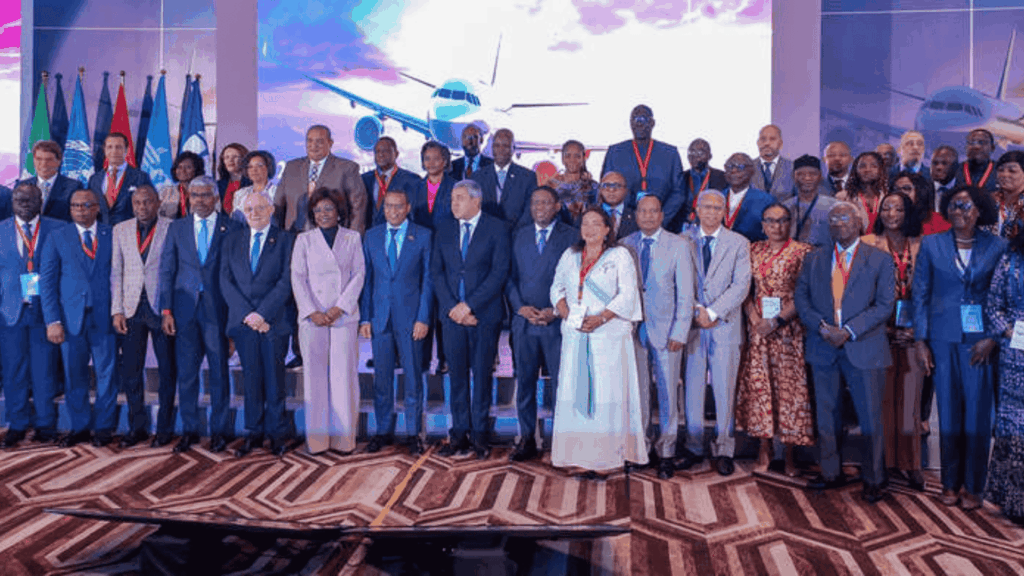
Africa Unites to Transform Travel and Tourism: Highlights from the UN Tourism/ICAO Summit in Angola
Tourism and air transport are no longer operating in silos as Africa is taking bold steps to link them for shared growth.
The second UN Tourism and ICAO Ministerial Conference on Tourism and Air Transport in Africa wrapped up in Luanda, Angola this week, with more than 300 global and regional leaders in attendance. The message was loud and clear: Africa’s future depends on better cooperation, stronger infrastructure, and smarter policy.
Held under the theme “Accelerating Synergies for Resilient and Sustainable Growth,” the three-day event, jointly hosted by UN Tourism, the International Civil Aviation Organization (ICAO), and the Government of Angola highlighted how aligning tourism and air transport is key to unlocking economic potential across the continent.
A Shared Vision for Growth
UN Tourism Secretary-General Zurab Pololikashvili opened the conference with a strong message of opportunity:
“Tourism and air transport are not just engines of growth—they’re pathways to empowerment, opportunity, and transformation. Through strategic leadership and innovation, Africa’s potential can become its reality.”
Angola’s Minister of Tourism, H.E. Daniel Marcio, echoed the sentiment, calling the conference a milestone moment:
“This event positions Angola as a regional hub for tourism-led development. For us, tourism is not a luxury—it’s a national priority for job creation, cultural exchange, and inclusive growth.”
His counterpart, Minister of Transport H.E. Ricardo de Abreu, called for modern, responsive air transport systems that serve Africa’s people and support stronger intra-African connectivity:
“We cannot grow if we are not connected. Infrastructure and regulatory reform are essential to Africa’s future.”
Key Outcomes from the Luanda Conference
The conference sessions dug deep into the pressing challenges and opportunities facing the continent’s tourism and aviation sectors. From policy alignment to digital innovation, the spotlight remained firmly on action.
Connectivity & Open Skies
Delegates emphasised the urgency of expanding intra-African routes and fast-tracking agreements like the Single African Air Transport Market (SAATM) to improve mobility, cut costs, and increase competition.
Tourism Policy Reform
Tourism leaders called for streamlined visa processes, easier cross-border travel, and collaborative destination marketing to stimulate regional travel.
Public-Private Investment
There was a strong focus on attracting investment into modern infrastructure—from smart airports and upgraded air traffic systems to eco-friendly tourism developments.
Youth & Women Empowerment
Ministers committed to creating training programmes and entrepreneurial support for youth and women in both tourism and aviation, recognising the importance of inclusive growth.
Adoption of the Luanda Ministerial Statement
The event concluded with the official signing of the Luanda Ministerial Statement, a declaration of Africa’s unified vision for a more connected, accessible, and sustainable future.
Key commitments include:
- Modernising infrastructure with blended investment models.
- Deepening partnerships with institutions like UN Tourism, ICAO, IATA, AFRAA, and AFCAC.
- Reforming visa systems to allow longer-validity, multi-entry visas and faster processing.
- Promoting intra-African tourism through joint marketing and regional campaigns.
- Empowering youth and women through skills training and education.
A Rising Continent
This second edition of the Ministerial Summit comes on the back of Africa’s strongest tourism recovery to date. The continent welcomed 74 million international arrivals in 2024 with a 12% increase over 2023 and 7% ahead of pre-pandemic levels. It’s a clear sign that the world wants more Africa and Africa is ready.
Why This Matters
Tourism and air transport are often spoken about separately, but in Africa, their futures are intertwined. Without better air access, tourists can’t reach the continent’s hidden gems. And without compelling tourism offerings, airlines can’t justify new routes.
By linking these sectors, Africa is building a more competitive, inclusive, and sustainable travel ecosystem and global partners are starting to take notice.
About UN Tourism
UN Tourism is the United Nations’ specialised agency responsible for promoting responsible, sustainable, and universally accessible tourism. It serves as a global forum for tourism policy and knowledge exchange, with 166 member countries, 6 territories, 2 permanent observers, and over 500 affiliate members from the private sector.
Tourism News Africa will continue to report on developments from the Luanda Ministerial Statement and what it means for local economies, regional mobility, and future travel trends across the continent.
Africa is not waiting to be discovered. It’s preparing to lead.
For more industry related news, click here.